
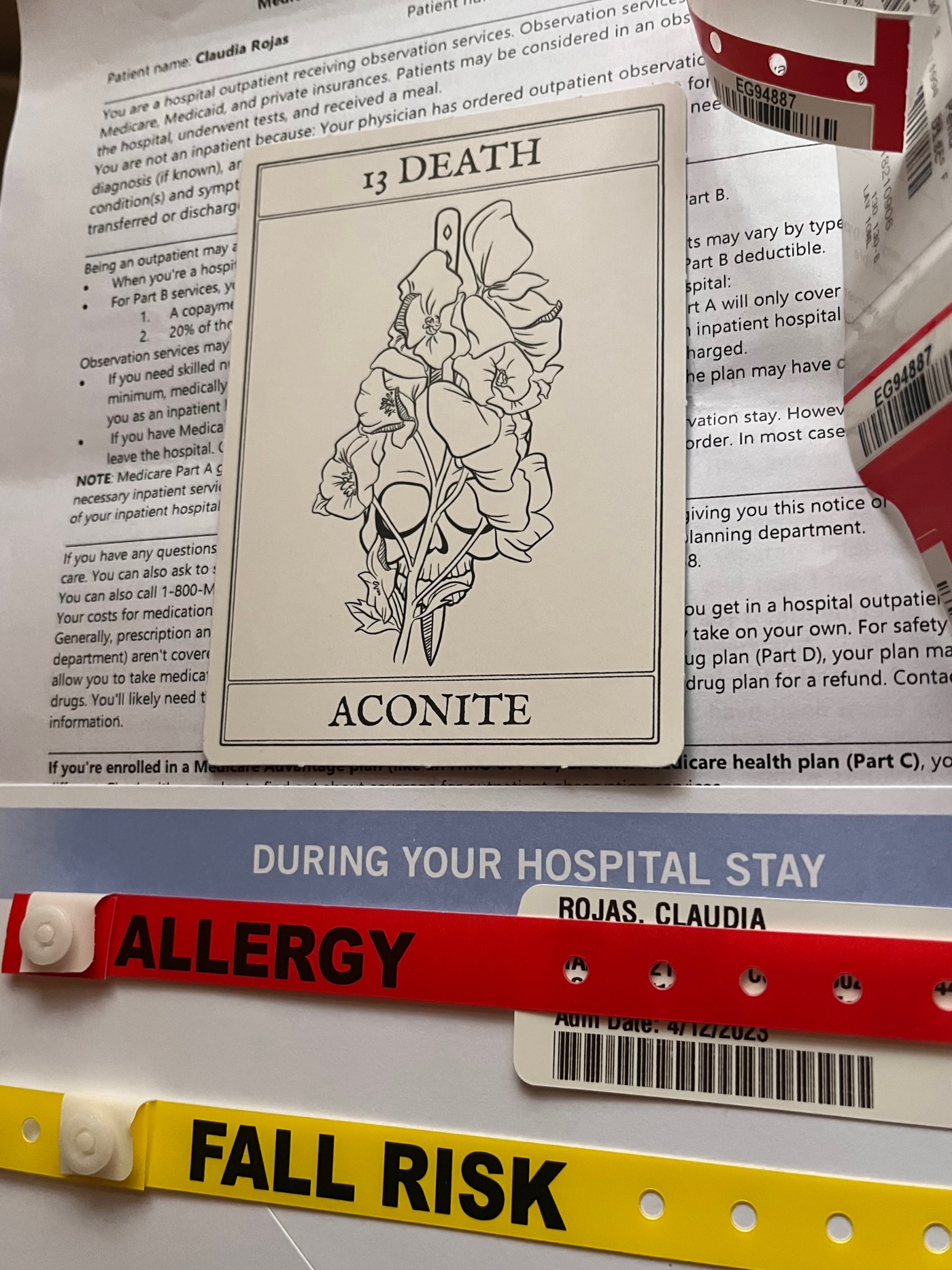
Every day our cells are changing. I love to think every day we are different people. These days I am counting the weeks since my emergency surgery on Thursday, April 13th, which supported mindset shifts. One of the biggest takeaways is that my anxiety can kill me, but that I can resist it, and when I can’t, I am not alone.
Leading up to my Emergency Room visit, I kept hoping my sickness was a terrible case of food poisoning. My mom had exhausted home remedies, though she had stopped my vomiting on my first sick day. Finally, on a Wednesday at dawn, after the pain in my abdomen increased, and after another sleepless night, I needed an expert’s opinion. After chatting with a nurse practitioner through CloseKnit, a service available through my insurance provider, I accepted the pain would not be resolved on its own. The nurse explained that I had all the symptoms for appendicitis: fever, vomit, poor appetite, and abdominal pain.
Removing my appendix and a cyst didn’t end the pain. Still, I was sent home the morning after my surgery with a drainage tube, which fired up the anxious and trauma survivor parts of my brain. I couldn’t move. I was as sick as ever: in pain, constipated, on my period, with diarrhea at times, barely eating, with vomit, without sleep, with a fever, and worst of all, anxious and in tears. I considered returning to the emergency room. My anxiety insisted that I would die. Until I didn’t.
Beginning with the removal of the drainage tube, I began to feel lighter, more hopeful. I am now on week 7 of recovery, and I am learning to be with my body in new ways. I’ve taken every in-person and remote conversation as a chance to share about my experience because surgery can be transformational. For those of us living with anxiety, physical illness can be dangerous to our sanity.
I want to share what I wish I had known about emergency surgery through the following list:
1. Surgery is common!
My knowledge of sudden physical pain was limited to the episode from Friends where Joey develops stomach pain and another episode where he has kidney stones. The days following my surgery, I connected with people over our surgery experience, including a writer friend, my therapist, the adult son of my hospital roommate, and the nice lady who adopted my first foster cat.
2. Develop a relationship with a primary care provider.
This is someone who you can contact before and after the surgery. This is the person who can let you know if your symptoms require tests and send you to the hospital earlier than you at home wondering “How severe is this pain?” And this is the person you can go to after you’ve had your surgery to make sure you are on the healing journey.
Honestly, I knew this before going into surgery but finding a good fit can take time and effort, and it’s worth every hour.
3. Bring your medications and medical history.
Being in a hospital and having an emergency surgery can become stressful, so this is the worst time to not take your medications. Importantly: be sure to share any medical conditions. I forgot to mention my anxiety at intake. If you have medication that manages your anxiety, take it. My anxiety before surgery was manageable, so I wasn’t on medication. I think medication would’ve helped with my coping afterwards.
4. Carry a bag that is light and big enough to carry important items.
Keep the list down to the essentials: your medications, your identification and insurance card, a change of underwear, a change of clothes that are comfortable, your phone and charger, your keys and wallet. If you live with a partner or family member, let them know where you’ve put these key items, or let them carry these items for you. Your insurance card and ID are the first things you are asked to present when you arrive at the emergency room’s lobby.
5. Practice breathing and grounding activities.
Do things that will keep you calm and in the present, despite the present being scary. You are going to need your thinking brain as doctors perform tests and tell you lots of biology stuff. Know what helps you–listening to a podcast or music album? Reading a book that you put in your bag? For me, the first night it was watching mindless television: flipping through the channels for cartoons and reality TV.
After surgery, grounding became difficult, but I kept trying. I had to live hour by hour until what created most of my anxiety–a drainage tube–was removed. Not only does breathing help with anxiety, breathing and coughing exercises will help your lungs. Insight Timer is a de-stress app that I personally use and find helpful; I like its quotes and challenges.
6. Know your emotional triggers, your body’s reactions, and do your best to overcome them.
When I am in a scary situation and feel threatened, I tend to freeze, this means I am unable to talk. Calling for my nurses was so difficult; I’d become anxious about what to say and when the moment came to speak into a mic, I’d hesitate. I’d have to remind self to say something. And sometimes I waited for a nurse to come into the room, letting them know that I needed something.
7. Record your doctors’ names.
This info will be available in the paperwork you get when you leave the hospital, but while you are at the hospital, different hospital staff will visit. Write their names on a note in your phone or a paper notepad. If you have trouble writing things down, ask for support. I had two surgeons and I couldn’t remember either of their names the day of the surgery. The surgeons, as with most hospital staff, introduce themselves by name, but I had been through so much and met so many people, after a few hours, I could no longer put names or faces together.
8. You will need help, and it’s okay to ask for it.
Asking for help and receiving help is natural at the hospital. I got a remote control that turned the TV on and that I could press when I needed to tell a nurse something or to let the nurse know I needed to use the bathroom.
Arriving home, I needed family support with movement and meals. I was embarrassed at how little I could do on my own. I also reached out to friends and neighbors. I had to outsource tasks I could no longer do on my own due to pain and mobility issues.
9. Surgery, the before and after, will leave an impact!
It might affect your mental health, and for sure, it will affect your physical health. Ask the doctors what to expect afterwards. Ask many questions. And know that sometimes, no one knows. I had panic attacks that neither a doctor or I could’ve predicted because I’ve never had panic attacks.
10. Brain fog is a common side effect of the anesthesia used during surgery and of the whole experience.
People can experience mild symptoms that last days to years. Brain fog for me has shown up during conversations–not being able to remember something I had done before surgery, not remembering the details of a conversation that felt vivid when I had it, and of course, the hours after my surgery where I felt “loopy,” vaguely aware of life. If you feel something is off with your brain function, track those moments, and consult with a doctor.
11. There will be many hospital bills.
You will receive them within weeks, trickling into your mailbox, your inbox, and maybe your text messages. But you don’t have to pay them all at once. You can sign up for payment plans. If you have insurance, make sure each provider and service went through your insurance before going through you–sometimes billing errors occur and you don’t actually owe anything. Have more questions? Read this Nerd Wallet article on paying off hospital bills.
12. Recovery time depends on your own physical health before surgery and the complexity of the surgery.
Were you active and in good shape? Was the surgery a success or were there complications? Doing good by your body now will keep future you healthy and make you a candidate for a speedy recovery should you ever need surgery.
Recovering from appendicitis takes 4-6 weeks. Though that timeframe has passed, I’m not my usual self, and my usual self wasn’t that active, and I struggle to maintain a healthy minimum weight. But I am grateful that I make conscious choices for my body, including not smoking nor drinking alcohol, taking regular walks, and resisting donuts (usually).
13. Life goes on.
Anxiety tells us the worst of lies. If you have sick days at work, take them. Don’t worry about showing up to work; what matters is that you survive surgery. While you are in the midst of all the pain and fears–the hospital, the procedures–life goes on. Your body will heal itself; let it heal. When I returned home, I couldn’t walk far, so I’d watch the outdoors from a window in the bathroom. I’d see the cherry blossom petals on the ground, and then one day, all the pink vanished. Time was passing because life goes on.
 Claudia Rojas
Leave a comment